Describe who needs the cooling and when
Ask about normal passengers, journey length, parking exposure and the use pattern the buyer considers important. A short demonstration for one front occupant does not establish the experience for a full car after prolonged outdoor parking. Record which seating areas and controls matter without promising a universal temperature result in every climate.
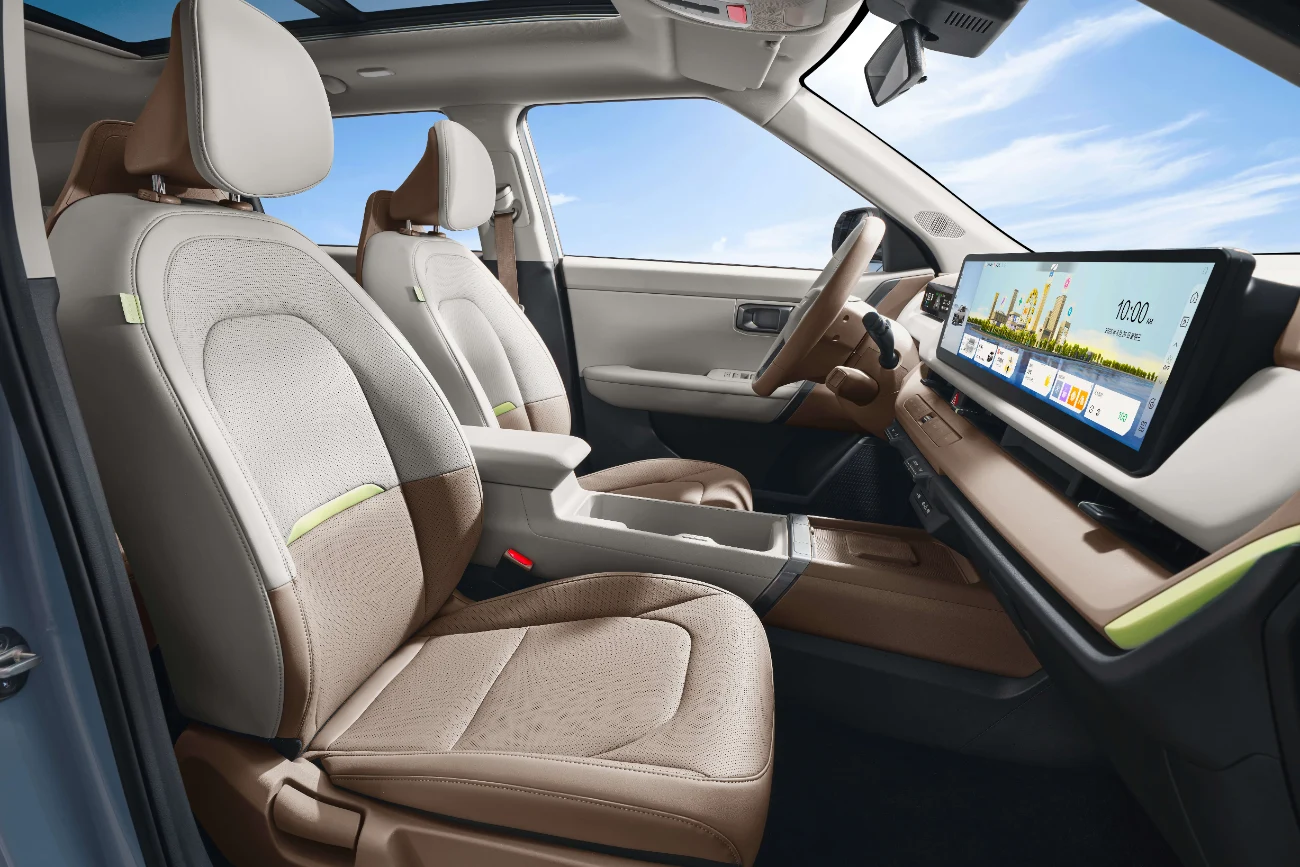
Use the cabin-use review to identify the passenger arrangement. Rear vents or zone descriptions should be verified on the offered car, not assumed from a current manufacturer image. A buyer may value simple reliable control more than an automatic climate label. Separate the essential cooling requirement from optional features so the shortlist is not driven only by trim terminology.
Define a useful operating observation
Ask a competent observer to record relevant ambient conditions, initial cabin state, settings and the observation period. Use appropriate ordinary operation and retain any warnings or unusual behaviour. A photograph of the selected temperature does not show the measured result. A short video may demonstrate controls and airflow while leaving further performance assessment necessary.
The individual inspection guide keeps this observation within a defined scope. Do not impose an invented pass temperature or diagnose a fault from one unqualified measurement. The provider should choose appropriate checks for the actual system. Keep the observed result separate from claims about how the car will perform on every future day at the destination.
Investigate symptoms before approving a remedy
Reported poor cooling, unusual sound, smell or inconsistent airflow requires suitable assessment. Do not assume a refrigerant top-up, filter or single replacement part is the answer. Ask for the supported cause, proposed work and completion checks. An inexpensive service offer can be inadequate when the underlying issue remains unresolved.
For used vehicles, review disclosed work and relevant history. For new proposals, include operation and delivery condition rather than treating new status as a completed performance test. The service and support guide helps assign work to a responsible provider. A seller's promise to fix air conditioning later should not be entered as a verified working system before the agreed remedy is completed and assessed.
Compare the whole cabin proposition
Cooling expectations interact with shade, glass area, seat preference and passenger arrangement. The panoramic-roof decision considers whether a wanted roof option remains worthwhile, but it is not a substitute for climate-control assessment. Do not recommend a feature on the assumption that it guarantees comfort or that another feature necessarily causes a problem.
Obtain receiving-market support for any assessed work and price a completed scope. Compare another candidate when the first car's issue remains uncertain. A cheaper offer may cease to be attractive after a properly defined remedy; a higher trim can also be poor value if its useful basic functions are unresolved. Keep confirmed amounts, pending checks and customer preferences in separate columns.
State what the dealer can honestly describe
Retain the fitted controls, seating arrangement tested, conditions of observation and outstanding findings. The dealer can describe that evidence without claiming proven tropical performance or a guaranteed future cooling result. If extended or full-passenger use was not observed, say that rather than implying it was covered by a brief front-seat video.
For batches, repeat the relevant checks per vehicle. Matching controls do not prove matching condition. A replacement needs its own climate-control evidence, especially when the system or generation changes. The final brief should name the customer's hot-weather use and acceptance requirements, giving the sourcing team a clear question instead of an unsupported request for the coldest Seltos.
A practical shortlist example
Imagine a hot-weather buyer who receives a short clip showing a low temperature selected on the display. Ask for the relevant ordinary operating observation with stated conditions and an appropriate provider assessment if performance is questioned. The display is evidence of a setting; it is not a measured cabin result or a future-performance guarantee.
If a workshop recommends work, request the supported cause and completion checks before entering a repaired status in the quotation. A second candidate can be compared using a similar scope, leaving differences in observation conditions visible. Keep the intended rear occupants in the brief where they matter. This avoids approving a full-passenger climate requirement from an unrelated front-seat demonstration or from a trim feature alone.
Compare the decision
| Finding or requirement | Useful next decision |
|---|---|
| Display shows a low set temperature | Request an appropriate observed result; a setting is not proof of actual cooling performance. |
| Proposed remedy has no diagnosis | Obtain qualified assessment and a supported completed scope rather than approving a guessed top-up. |
| Full-passenger use is important | Include the relevant seating arrangement and state what the demonstration did and did not cover. |
Buyer questions
Does automatic climate control prove better cooling?
No. Configuration and actual operation are separate. Review the fitted system and relevant observed evidence.
Can one video guarantee destination comfort?
No. It can document an observation under stated conditions, while broader performance and support questions remain separate.