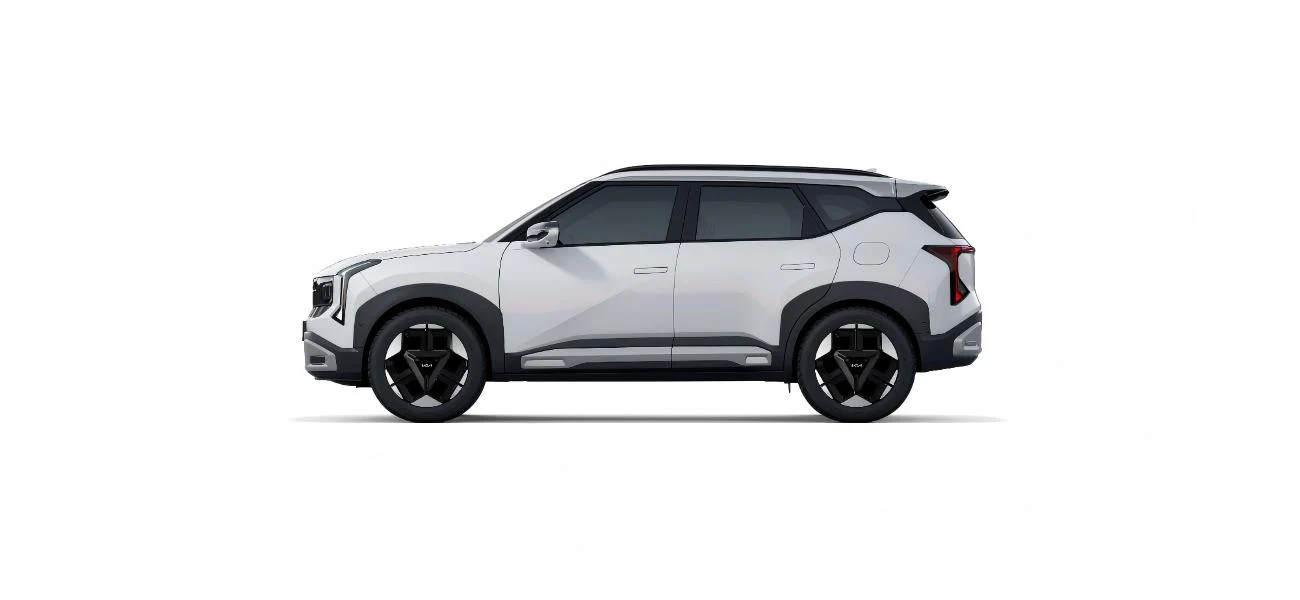
Which China-market combinations are documented?
Kia China’s 2 July 2025 release for the 2026 model described a 1.5-litre engine with IVT and a 1.4-litre turbo with seven-speed DCT. Its 28 July 2026 all-new introduction instead listed 1.5-litre with IVT and 1.5-litre turbo with 8AT. These are dated China-range examples, not a specification promise for every car carrying the Seltos name.
Keep those two release contexts separate when reviewing an advertisement. An older turbo offer should not inherit the newer gearbox description simply because the seller uses a recent registration year. The engine and transmission guide identifies the required evidence. Request the original build and production information for each candidate, then connect the quotation and inspection report to that same vehicle reference.
What do the transmission labels tell you?
IVT means Intelligent Variable Transmission, Kia’s terminology for a continuously variable arrangement. DCT means dual-clutch transmission, which uses clutches and discrete gear ratios. An 8AT description identifies an eight-speed automatic. Those labels establish the type of system being discussed; they do not identify its service history, present condition or the complete engine-and-drivetrain configuration of an individual offer.
Treat the engine pairing as part of the comparison. A driving difference between two cars may involve engine output, gearbox behaviour, vehicle condition and operating mode together. It is misleading to attribute the entire difference to the transmission alone. If a dealer requires a particular combination for local service support, name it explicitly instead of asking only for an automatic Seltos.
Compare everyday driving through useful observations
Explain the customer’s ordinary route, including traffic, gradients, load and longer journeys. Where a safe road test is permitted, request observations that reflect that use. Record the conditions, any warning messages and behaviour that needs investigation. A brief movement across a yard cannot establish how a used transmission performs after warming up or under a different load.
For an IVT candidate, use the IVT inspection questions to obtain a relevant report. For a dual-clutch candidate, the DCT traffic guide addresses the low-speed use case. The inspector should distinguish normal characteristics described in applicable vehicle information from symptoms requiring diagnosis. Do not excuse a warning or persistent abnormal behaviour merely because a seller says that all examples drive that way.
Match the maintenance record to the exact unit
Ask for invoices showing what was done, when it was done and which vehicle received the work. Transmission-fluid descriptions and service procedures must match the identified unit. One receipt for a different automatic gearbox is not useful evidence for the proposed car. Request clarification where a generic service entry does not identify the product or work sufficiently.
Kia’s India-market Seltos maintenance guidance illustrates why IVT and DCT requirements are treated separately, including different fluid instructions. It is a regional reference, not a China-car service schedule. Have a qualified provider apply the correct information to the actual vehicle and usage. Do not copy an interval from a foreign manual or decide that fluid needs replacement solely from a colour photograph.
Assess total purchase cost rather than the gearbox badge
List the price, diagnosed work, inspection limitations and available local support for each candidate. A transmission preference can be a valid customer requirement, but it does not cancel an unresolved fault. Likewise, a newer 8AT offer should not be assumed less expensive to maintain without a defined vehicle, applicable service information and credible local estimates.
Keep confirmed repairs separate from hypothetical future expense. If further diagnosis is needed, show that as an outstanding task rather than inventing a complete repair bill. The quotation review helps align included preparation and delivery responsibilities. This lets the buyer compare finished propositions instead of selecting the lowest headline price and discovering that important assessment or work remains outside the agreement.
State what would make an alternative acceptable
If the buyer is flexible, specify the required condition, accepted generations and the driving priorities that an alternative must satisfy. If the brief specifically requires the all-new China turbo with 8AT, an earlier turbo DCT should be presented as a separate alternative requiring acceptance. The supplier should explain that change before the buyer evaluates its price.
For new vehicles, confirm production, registration status and delivery checks alongside the specification. For used offers, add the individual service and inspection evidence. Send Panda the destination and any workshop-support constraints so the shortlist can reflect them. A useful final decision names the complete accepted vehicle and unresolved limitations; it does not declare one transmission universally best for every customer.