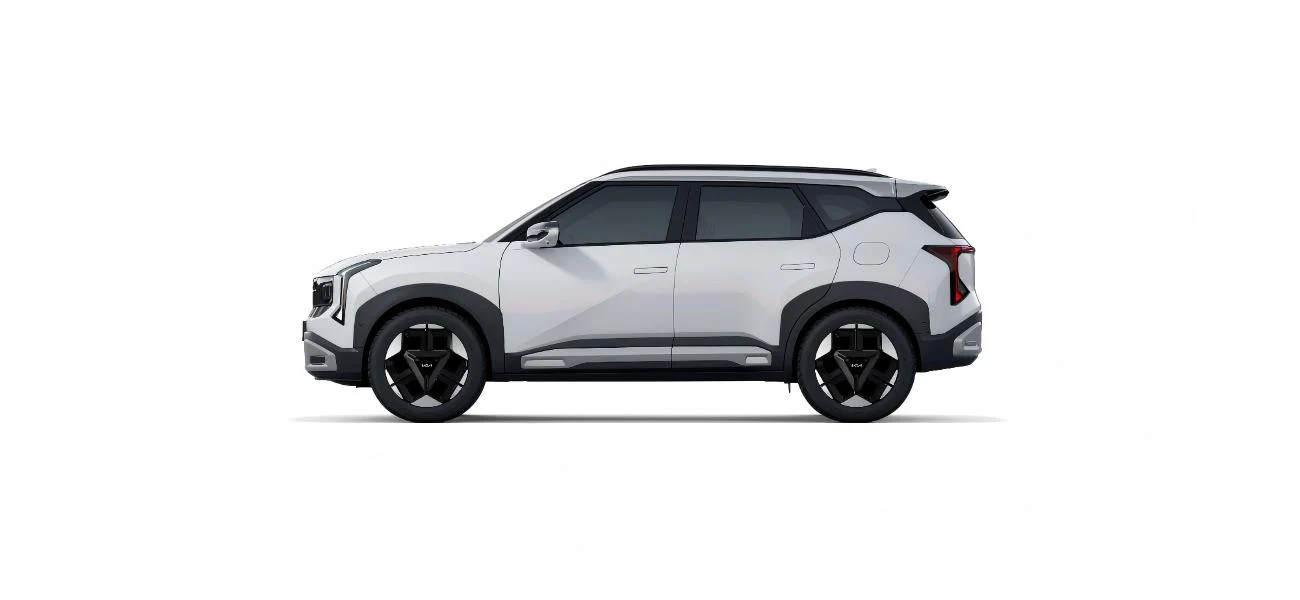
Define the route and customer preference
Ask where the car will spend its time: city streets, regular paved intercity journeys or access roads with known surface concerns. Identify whether the buyer wants a particular appearance or has a practical tyre-support requirement. Do not infer off-road suitability from an SUV shape, wheel size or protective-looking trim. The actual vehicle and intended conditions need their own assessment.
Keep the appearance benefit separate from the essentials. A dealer may prefer the larger-wheel look for a particular customer, while another values locally supported tyres and a simpler replacement choice. Neither preference proves a universal ride or resale result. A useful comparison records both the preferred appearance and the amount of preparation needed to deliver the car in its accepted configuration.
Establish what is fitted and permitted
Read the fitted tyre markings, inspect all wheel positions and obtain the applicable vehicle specification. Note whether the arrangement matches the supported original fitment or reflects a later change. Do not select replacement sizes from a foreign-market brochure or assume two Seltos generations use the same requirements.
The tyre specification and fitted-cost checklist covers the practical quotation. Wheel diameter alone leaves load requirements, tyre construction and other fitment questions unresolved. Where modification is disclosed, have a qualified provider assess suitability and any effects on the vehicle. Avoid improvised substitutions based only on the fact that a wheel can physically be attached. Retain the provider's scope and limitations in the comparison.
Review damage and ride separately
Request clear views of rims, tyre sidewalls and tread, identifying cosmetic marks separately from findings that need workshop assessment. A wheel repair may require additional checks; a clean photograph cannot establish alignment or mechanical condition. Include any vibration, warning or unusual noise reported during an appropriate observation, without assigning the wheel as the cause prematurely.
The used-vehicle review keeps suspension and other findings alongside wheel condition. For ride comparison, use comparable loads and stated roads where feasible. Avoid declaring that one size is always quieter or more comfortable. Tyre type, pressure, condition and the rest of the car can change what the observer experiences. The evidence should describe the observed result rather than turn a preference into a model-wide guarantee.
Compare a completed replacement proposition
Obtain local availability and complete fitted quotations for the accepted arrangement. Include necessary consumables, installation and relevant verification rather than comparing tyre-only prices with fully fitted figures. A lower vehicle amount may leave the buyer with immediate tyre or wheel work. Put that work beside the candidate's premium before deciding whether the visual benefit remains worth it.
For a multi-car order, distinguish required common fitment from permitted differences. The matching and mixed batch review explains how to preserve essentials without forcing every cosmetic detail to match. If a supplier changes wheels during preparation, the revised specification and condition must be reviewed. Do not carry the original tyre acceptance onto a different fitted set.
Close the purchase around a supported set
Consider a city buyer who likes larger wheels but receives a candidate with disclosed rim damage and uncertain replacement tyres. Compare that car after a supported remedy with an alternative that already meets the essentials. For another customer, the appearance premium may be unnecessary, making the simpler accepted arrangement the better allocation of budget.
Retain photographs, tyre specifications, agreed replacement work and supplied emergency equipment in the final file. A completed wheel change should include the verification appropriate to the work. The decision is about this finished car and this customer's needs; it should not become an unsupported promise of lower running cost or superior durability for every Seltos with the same wheel diameter.
For the corresponding purchase record, review the kia seltos ownership budget alongside these decision-specific findings.
A practical shortlist example
Imagine two otherwise relevant candidates: one has the buyer's preferred larger-wheel appearance and disclosed wheel work, while the other has an accepted simpler set. Request a finished scope for the first car and a comparable condition record for the second. Do not assume the appearance premium covers the remedy or that the simpler set automatically means lower future costs.
If the receiving workshop cannot confirm suitable support for the proposed replacement arrangement, leave that field unresolved. A dealer may then select another car rather than approve a modification on the strength of a component listing. Keep the final tyre and wheel evidence together so the retail description follows the actual delivered set, including any agreed preparation changes.
Compare the decision
| Finding or requirement | Useful next decision |
|---|---|
| Appearance premium is the main benefit | Compare its value after tyre and wheel preparation, keeping customer preference distinct from functional requirements. |
| Fitment has been modified | Obtain qualified suitability assessment and an explicit accepted specification before approving the proposal. |
| Local replacement is uncertain | Get a receiving-provider answer on supply and scope rather than assuming another diameter is interchangeable. |
Buyer questions
Does a bigger wheel make a Seltos better?
Not by itself. Fitment, condition, supported tyres and customer preference need to be considered together.
Can I use a tyre price as the full budget?
Only if it covers the agreed fitted scope. Installation, remedial work and verification may be separate items.