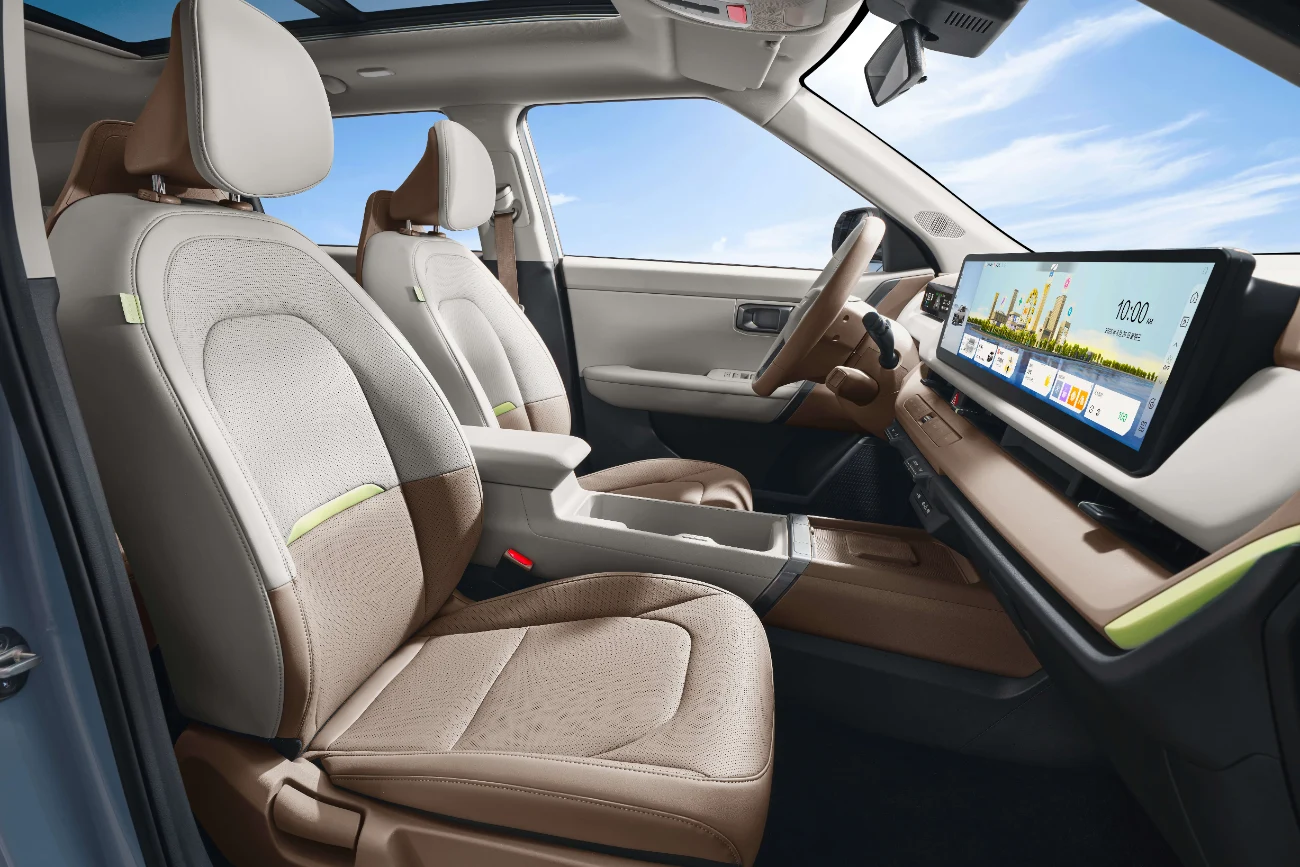
Describe the passenger arrangement first
Ask how many adults normally travel, their approximate needs and whether trips are short or extended. A car that works for occasional rear passengers may not suit regular four-adult use. Avoid choosing a version from one headline dimension before the dealer explains the intended arrangement. The whole-cabin fit review places seating beside luggage and everyday access.
Record any essential accommodation requirement clearly, without collecting unnecessary personal information. A request for usable space behind the normal driver position is more informative than spacious rear seats. When candidates differ in generation, identify each body accurately. A larger external dimension can be useful context but does not replace observing the cabin layout and the passenger's actual seating position.
Keep the front seats fixed during comparison
Set the front seat for the actual driver or a stated representative arrangement, then assess the space behind it. Show the position in the evidence. Moving the front seat forward for each rear photograph can make comparisons misleading. If both front occupants have specific needs, review both rear positions instead of measuring only the more favourable side.
Ask for observations of knee space, foot placement and sitting posture, keeping them separate from a universal comfort claim. The front-seat option review helps when adjustment changes the passenger arrangement. A powered-seat label does not prove a particular driver position is achievable. Remote measurements should state their reference points; they narrow choices but cannot substitute for the intended person's fit assessment.
Review access and time in the seat
Observe door access and the effort required to enter and leave under safe, ordinary conditions. A passenger may fit once seated but find the access inconvenient. Describe the actual obstruction or movement rather than assigning a blanket suitable-for-elderly label. Specific mobility needs may require personal assessment with appropriate assistance.
For longer journeys, ask the intended occupants to assess posture and support where feasible. Retain a short-trip remote demonstration as exactly that, not evidence of comfort over several hours. Cabin temperature, noise and the condition of the actual seats also affect the experience. Do not borrow a comfort conclusion from a different Seltos with a different seating arrangement or upholstery condition.
Inspect the areas passengers will use
For a used candidate, obtain clear views of cushions, belts, door trim, floor areas and disclosed repairs. Ask for suitable assessment of any fault or missing item. An attractive front-cabin photograph leaves rear condition unresolved. For a new proposal, include the accepted rear-seat arrangement and delivery condition in the verification list.
Keep child-restraint requirements in the family restraint guide, since adult fit does not establish child-seat compatibility. If the buyer expects adults beside installed restraints, assess that full arrangement rather than counting three nominal rear places. Avoid assuring that every combination will fit from the vehicle's seat count alone. Each important use should be represented in the acceptance evidence.
Compare useful alternatives without exaggeration
For regular adult transport, compare the shortlisted Seltos with another verified body that the customer would genuinely consider. Keep the same front-seat position and journey requirement. The Seltos and Sportage space comparison explores that decision without treating every Sportage as the same regional vehicle.
A dealer may accept a Seltos for occasional rear use but seek another model for routine adult business trips. Another buyer may find the actual Seltos arrangement suitable. Retain the reason and any limitation with the selected candidate. If a replacement changes the seats or generation, repeat the relevant check; do not transfer a passenger-fit conclusion to a visually similar car.
A practical shortlist example
A dealer arranging regular journeys for four adults should assess both rear positions with the front occupants in their normal seats. One favourable photograph behind a short driver leaves the second side and the actual driver arrangement unanswered. State the positions used and ask which passenger needs could not be represented during the remote observation.
If only occasional rear use is required, the buyer may accept a limitation that would rule out the car for daily adult travel. Keep that distinction in the brief instead of advertising the result as universal comfort. When a different-generation replacement is proposed, repeat the relevant assessment; an earlier measurement or passenger observation belongs to the original candidate and cannot establish the new car's fit.
Compare the decision
| Finding or requirement | Useful next decision |
|---|---|
| Front seat was moved for photographs | Request evidence with the stated normal driver position before comparing the rear accommodation. |
| Adults fit but access is awkward | Treat entry and exit as their own customer requirement, not a minor detail hidden by seated photographs. |
| Three-person use is essential | Assess the complete intended arrangement, including belts and any installed child restraints. |
Buyer questions
Does a longer wheelbase guarantee adult comfort?
No. It is model context. Seat shape, front-seat position, occupant needs and the actual cabin arrangement still matter.
Can a remote video confirm everyone's fit?
No. It can show useful dimensions and movement, but personal fit and longer-journey comfort may remain unconfirmed.