Keep both vehicle identities intact
Record original market, production evidence, body, powertrain and condition for each proposal. Sportage naming and regional bodies need their own verification; do not assume a familiar export-market brochure describes a China-sourced vehicle. Keep the comparison to supported fields and leave unknown equipment unresolved rather than filling it from memory.
The Seltos market and version guide explains the same identity problem on this side of the shortlist. A 2027 enquiry may refer to a generation or documented market designation, so clarify the requirement. Give each candidate a stable reference before exchanging photographs and quotations. A replacement in either column should not inherit evidence from the previous vehicle.
Compare occupants instead of external size
Use the same intended driver and passenger arrangement for both cars. Review access, seating position and luggage with the seats needed for the journey occupied. A larger body does not automatically prove more useful space for a particular person. The Seltos adult-seat assessment provides a repeatable way to keep the front-seat position consistent.
Ask whether the added space, if demonstrated, solves a genuine customer need. For occasional rear passengers, a different model's extra size may offer little daily benefit. For regular adult trips, the actual rear arrangement may determine the choice. Avoid assigning universal family suitability or comfort from nominal seating counts. Retain any personal fit question that could not be assessed remotely.
Include parking and loading in the same brief
Describe the customer's garage, normal parking and luggage rather than praising whichever model looks larger. A useful passenger arrangement can be offset by an unsuitable entrance or loading routine. Keep the customer's actual constraints consistent across both proposals. The garage measurement review separates physical fit from parking-camera convenience.
Where airport luggage is important, test the stated cases under the actual passenger arrangement. Folding needed seats does not answer the brief. Do not compare one manufacturer's maximum folded-seat capacity with another car's seats-up use as if they were the same measure. Describe the observed arrangement and the compromise the customer would accept, including any supplied-item change needed to obtain it.
Compare condition and equipment on equal terms
A higher-trim used Seltos and a simpler newer Sportage can be reasonable alternatives, but only after identifying the useful features and preparation. Review each installed powertrain through its own records and qualified checks. A familiar transmission label does not make the complete mechanical proposition equivalent. Keep new-car delivery verification separate from used-car history and condition.
The Seltos quotation framework helps align currency, agreed work and delivery stage. Do not promise that either model is cheaper to maintain or easier to resell without the relevant evidence. Obtain local provider estimates for the actual candidate and state uncertain work separately. The useful comparison is a finished supported vehicle, not one car's advertised amount beside another's fully prepared total.
Choose the model that resolves the requirement
If the Seltos demonstrably meets passenger, luggage and parking needs, a different model should earn its premium through an identified benefit. If the actual Sportage solves a non-negotiable access or seating limitation, that can outweigh a preferred Seltos trim. Preserve the reason so the dealer can explain the choice without broad superiority claims.
Submit an enquiry that names the primary model and the conditions under which an alternative is acceptable. State which market, body and functions must be retained. Do not authorise substitution merely by saying any Kia SUV. A later proposal should be compared against the same requirements and its own evidence, keeping both model identities clear through the handover record.
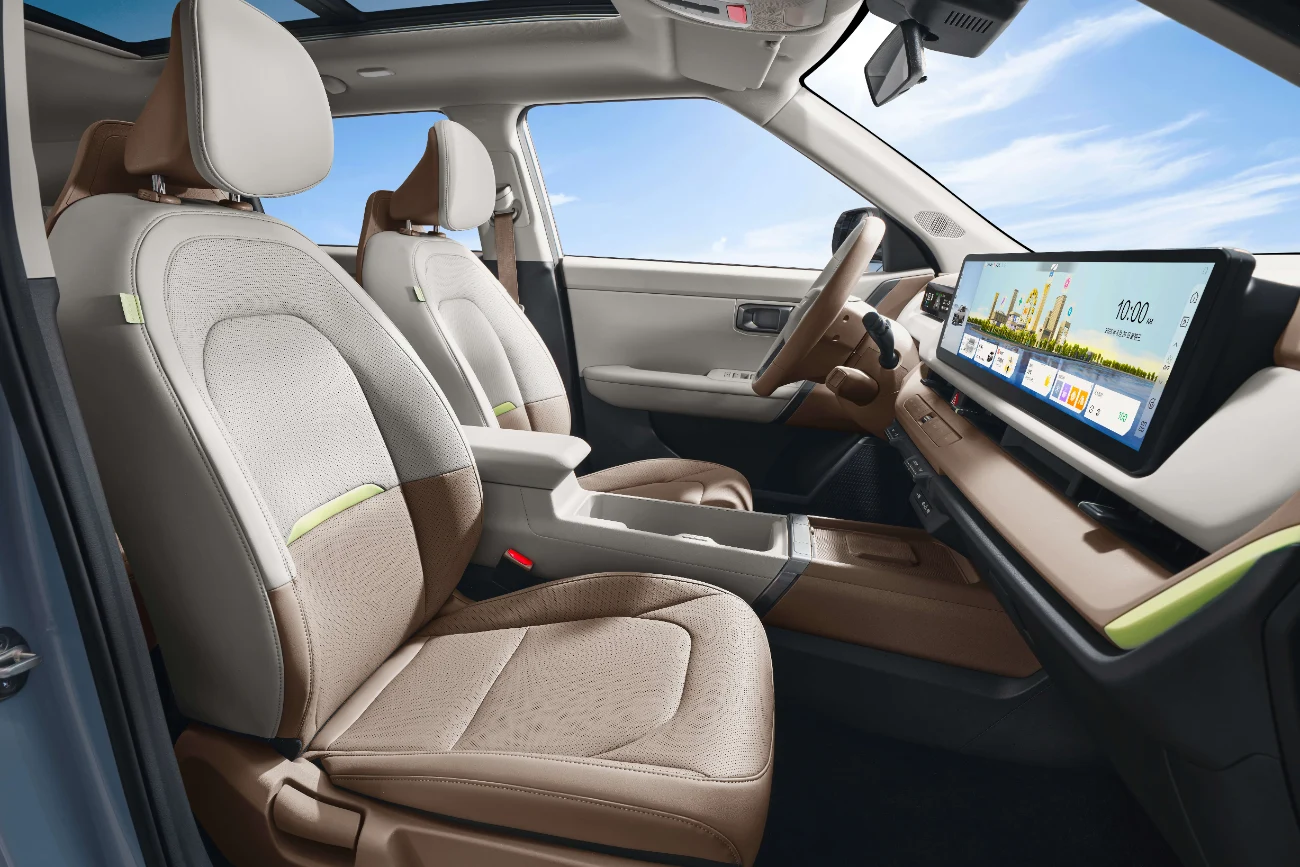
For the corresponding purchase record, review the kia seltos cabin & cargo alongside these decision-specific findings.
A practical shortlist example
Consider a buyer who initially prefers Seltos appearance but needs routine rear-adult travel with airport luggage. Set the front positions and use the stated bags on both actual candidates. If the identified Sportage resolves a verified limitation, describe that specific benefit; do not claim that every larger Kia is automatically the better choice.
If the Seltos already meets the entire routine, a higher amount for the alternative should be justified by another benefit the customer wants. Retain the supported body and market descriptions so the comparison does not drift into a different regional Sportage during sourcing. Any substitution requires its own assessment. The accepted decision should explain a customer fit, condition and scope, rather than a model hierarchy based only on size.
Compare the decision
| Finding or requirement | Useful next decision |
|---|---|
| Seltos satisfies the complete routine | Value a Sportage alternative only for a demonstrated additional benefit the customer actually wants. |
| Rear arrangement is the deciding issue | Assess both candidates with the same front position and intended occupants rather than exterior size alone. |
| Offers differ in condition and scope | Align preparation, supplied items and delivery stage before judging the amounts. |
Buyer questions
Is Sportage automatically the better family car?
No. Identify the actual body and assess the family's occupants, access and luggage on the offered vehicles.
Can I compare regional brochures directly?
Only as labelled context. The actual offers need their own market, specification and condition evidence.