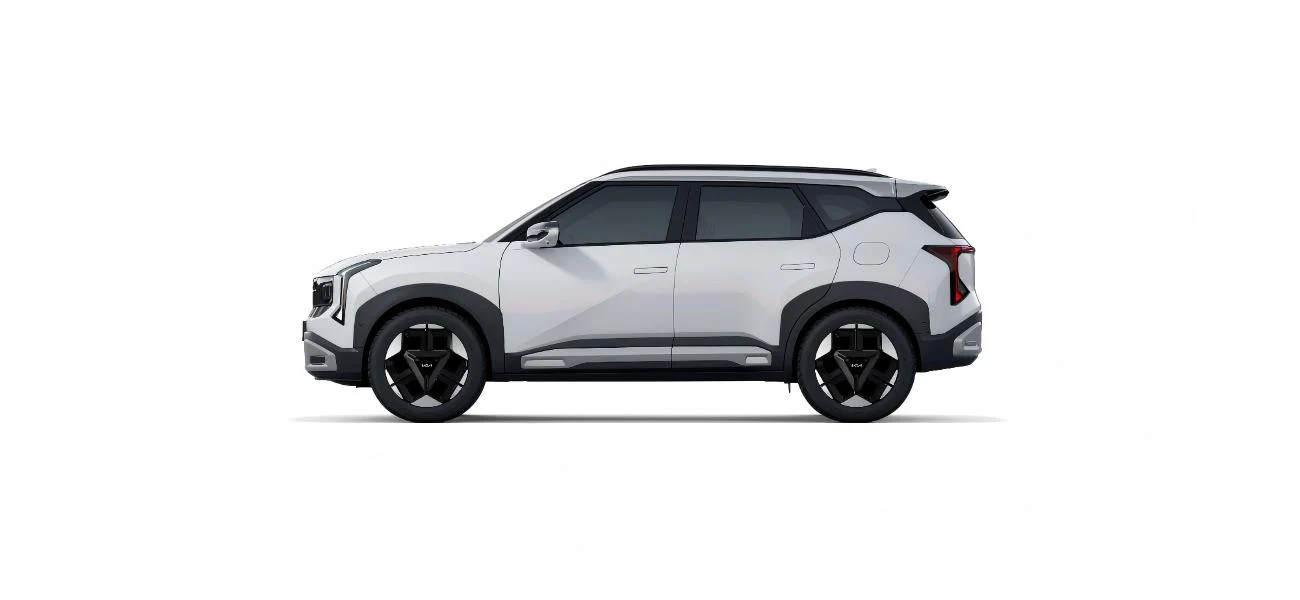
Stabilise the candidate before requesting media
Give each proposed vehicle a reference linked to readable identity evidence and its supported market, generation and condition. Ask that photographs, videos and quotations use that reference. Similar-looking vehicles are easy to confuse during a changing shortlist. A replacement should receive its own record rather than inherit the rejected car's reports.
The market and designation guide prevents year wording from standing in for actual identity. Retain production evidence separately from registration and advertised model-year descriptions. If the seller cannot connect the offered amount and media to one candidate, the comparison remains incomplete. Do not compensate by collecting more attractive general Seltos photographs that still fail to identify the actual proposal.
Request media around decisions, not volume
Ask for views and normal operating demonstrations that answer the customer's requirements. Exterior appearance, interior condition, required controls and supplied items need appropriate evidence. A long walkaround is not necessarily more useful than a short, clear sequence tied to a specific question. Record the date and relevant conditions of observations where those affect interpretation.
The equipment checklist separates installed features from demonstrated operation. Avoid asking for unsafe road manoeuvres or improvised tests. Any professional check should be defined and performed by a competent party. A video can show what happened during that observation; it cannot prove every mechanical system or establish how a feature will work for all destination users.
Keep qualified findings distinct from seller claims
Request an appropriate inspection scope for used candidates, including limitations and unresolved areas. The inspection-report review explains why a report needs more than a favourable summary. For new proposals, establish specification, production status and delivery condition rather than copying the used inspection checklist without adjustment.
Retain supporting records alongside conclusions. A dashboard video without warnings is not a universal health certificate, and a clean cabin does not settle history. Where a finding requires further assessment, assign it to a responsible provider and keep the acceptance pending. The dealer should be able to tell which statements are observed, documented, assessed or still unconfirmed without reading an entire message history.
Reconcile the evidence with the commercial scope
Compare the proposed amount with the identified candidate, agreed preparation, supplied items and delivery stage. A quotation that changes after inspection should preserve the revision and its reason. Avoid treating a generic estimate as an accepted vehicle offer. Payment and reservation responsibilities belong in the actual transaction documents with the appropriate parties.
The quotation comparison guide helps separate confirmed work from pending remedies. If a repair is promised, define what evidence will show completion and who will verify it. Do not mark a condition issue resolved merely because the supplier says it will be fixed before dispatch. The accepted file should reflect the finished proposition, with any remaining limitation expressly agreed.
Review one final file before movement
Assemble candidate identity, specification, findings, preparation status and supplied-item inventory. Check that the final vehicle still matches the accepted proposal. If a change occurs, update the relevant evidence rather than keeping the earlier approval as a blanket authorisation. The handover framework carries that reconciliation into the transfer stage.
For a batch, maintain a separate file per unit plus a shared readiness list. Another dealer staff member should be able to understand which cars remain pending. Keep passwords, payment-card data and unnecessary identity documents out of the initial enquiry. Remote evidence should make the decision clearer while honestly retaining what could not be established through the agreed scope.
For an order with permitted specification differences, the matching and mixed batch decision preserves common essentials alongside the evidence file for each unit.
A practical shortlist example
A remote buyer may accumulate many photos while the shortlist changes. Before requesting more media, reconcile the current candidate reference with its quotation and report. If those items refer to different cars, pause the comparison and obtain a consistent file. More generic pictures cannot repair that identity gap.
For an agreed preparation item, identify the responsible provider and the evidence required to close it. Retain the pending status until those results exist, even if the seller says the work will be completed before movement. A dealer reviewing the final file should be able to see the accepted vehicle, completed tasks and unresolved limitations at a glance. This makes the purchase decision concrete without converting remote observations into universal mechanical or history assurances.
Compare the decision
| Finding or requirement | Useful next decision |
|---|---|
| Media cannot be linked to one candidate | Resolve identity before assigning the photographs, report or amount to the purchase record. |
| Seller promise replaces a completion check | Keep the work pending until the agreed evidence and responsible verification are available. |
| Final vehicle has changed | Review the replacement's own records and required functions; prior acceptance does not transfer automatically. |
Buyer questions
Does a detailed video replace an inspection?
No. It supports specific observations, while relevant technical and history questions may require qualified assessment.
Should every requested document go into the enquiry?
No. Start with buying requirements and contact details; agree an appropriate channel for genuinely necessary later records.