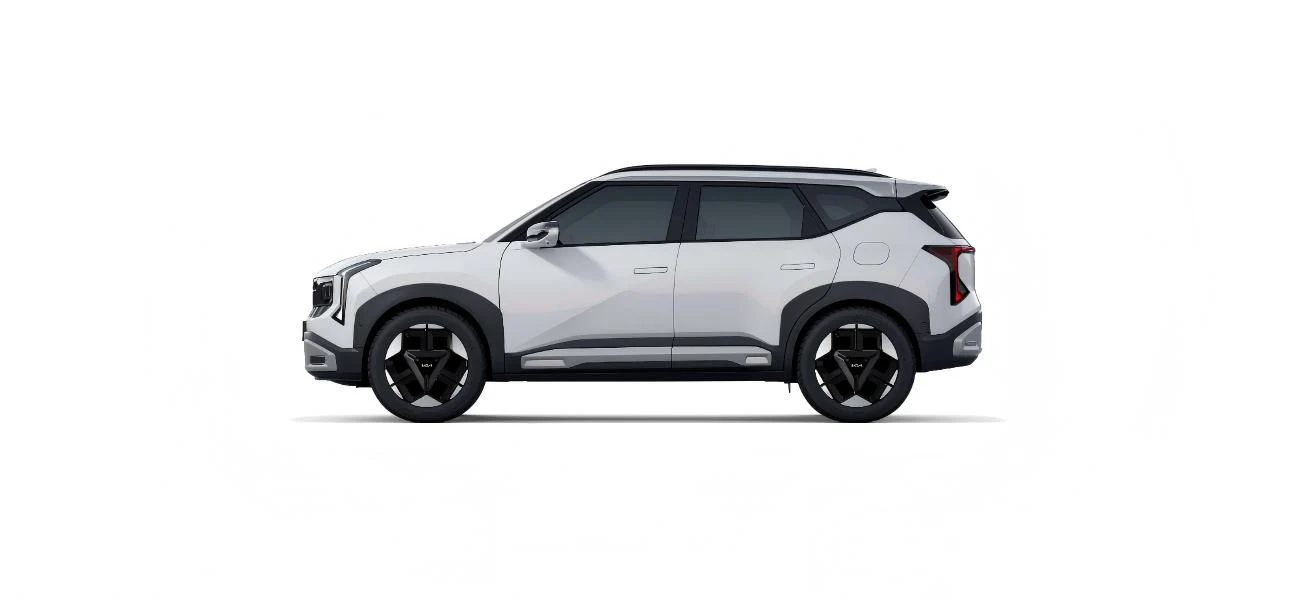
Translate customer expectations into functions
Start with the features the customer intends to use. Describe seat functions, climate controls, parking assistance, lighting and phone requirements in plain language. A request for a high trim can mean different things to different suppliers. Functional requirements create a clearer test of suitability and make it easier to explain a candidate that meets some preferences but not others.
Separate essentials from desirable additions before the shortlist arrives. The practical cabin guide can help identify features that affect daily use. Keep the list short enough to review properly; a long copied catalogue can obscure the one missing function that would cause the customer to reject the vehicle.
When parking aids determine acceptance, use the reverse-camera and surround-view checks to distinguish a rear image, 360-degree views and sensor warnings.
The seat-option buying review keeps powered functions and finish descriptions separate from the occupant’s comfort decision.
For another compact-SUV proposal, the Seltos and Creta comparison applies one functional brief without assuming regional names or systems are interchangeable.
Read the original trim description in context
Obtain the original-market trim or package designation and the relevant build evidence. Do not assume a familiar export-market label corresponds exactly to a China-market version. Even within one nameplate, equipment can change with production period or package selection. Keep the source document linked to the actual candidate rather than using it as a universal reference for several years.
The market identity guide should come before equipment matching when a buyer requests a 2027 model. Clarify whether the customer is naming a US trim, a generation or simply a desired feature set. This prevents a supplier from presenting a visually similar China car as an exact match without checking the relevant equipment.
When age and optional equipment compete, the age and useful-equipment comparison compares the actual benefit after condition and preparation.
The Bose audio buying review checks whether a named system delivers a useful customer benefit after modifications and support are considered.
The headlight destination-fit checklist prevents an LED label or reference photograph from becoming an unsupported destination-fit claim.
Distinguish presence from operation
For each important item, record whether it is documented as installed, visible in current evidence and checked in operation. Those are different statements. A button or menu entry can support a presence check while leaving the actual function unresolved. A build record describes original equipment but may not show that the system remains fully operational on a used car.
Agree a suitable demonstration for features that determine acceptance. The inspection guide explains how to record limits when a check cannot be completed. Do not accept a general all functions working statement as a substitute for the requested evidence, particularly where a connected service requires conditions that were unavailable during the assessment.
For roof-equipped candidates, the panoramic-roof premium review separates the desired function from operation and unresolved moisture findings.
For technology-led enquiries, the driver-assistance premium review identifies the useful assistance functions and their limitations before valuing a higher trim.
Identify modifications without guessing their value
Ask about replaced screens, lighting, wheels or other changes relevant to the buyer. Record whether an item is original, an equivalent replacement or an aftermarket modification where that information is available. A changed appearance should not silently alter the vehicle's advertised generation or create a factory-equipment claim that the records do not support.
For an accessory, request the available supplier or product information and a demonstration of the functions the customer needs. A larger screen may introduce its own support questions. The connectivity guide helps distinguish a visible interface from a supported service. Leave undocumented integration claims open until a responsible provider or appropriate assessment can clarify them.
Apply the same essentials to every batch unit
A dealer buying several Seltos vehicles may accept different colours or years while expecting the same core functions. Put those functions against each vehicle reference. One example car cannot establish equipment across the order, and a shared trim description should not replace individual confirmation when the build or installed accessories differ.
The batch sourcing guide describes a practical exception process. If a candidate lacks a mandatory item, flag it before acceptance. The buyer can request another car or accept the difference explicitly. Avoid describing the entire order as a uniform specification when the underlying records show a mixture that customers may notice at delivery.
Keep an accepted equipment record for handover
Retain the final feature checklist, supporting observations and unresolved limitations with the accepted quotation. Include agreed supplied items such as keys or accessories where relevant. If preparation changes an item, update the record and identify any recheck required. This helps the receiving team compare the delivered car with the specification the buyer actually approved.
Consider a candidate with the desired exterior package but an unconfirmed parking function. The next step is to obtain evidence for that function, not to rely on the package's premium appearance. A precise equipment record allows the dealer to explain the car accurately and decide which questions must be resolved before it becomes part of a customer-facing offer.