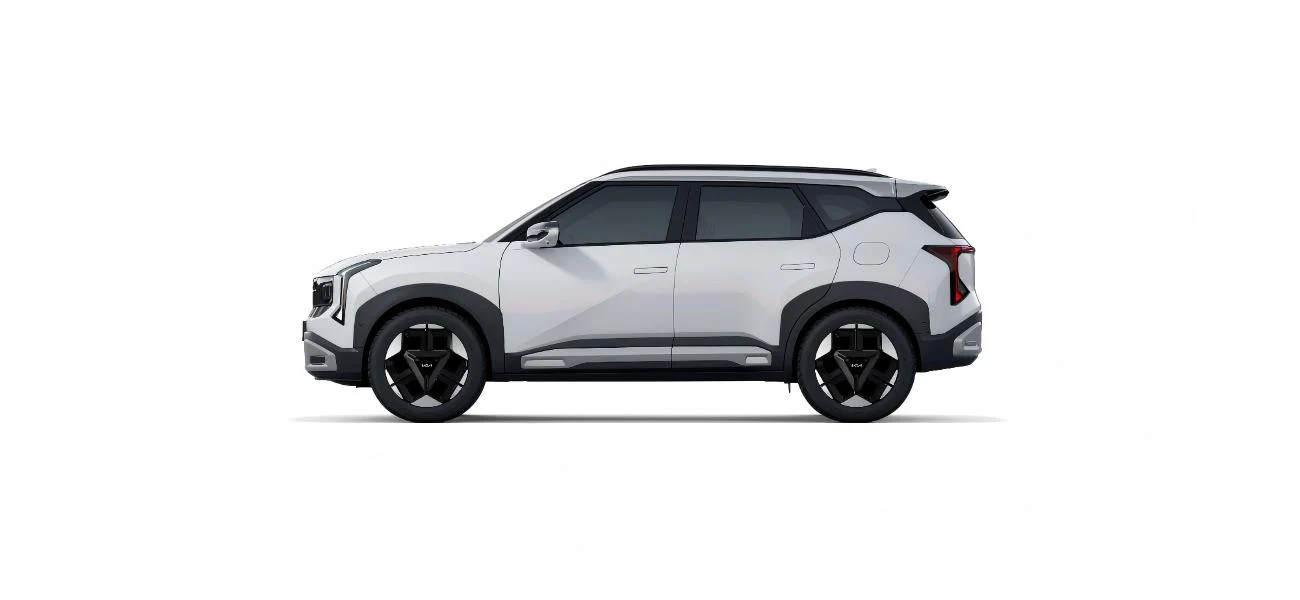
Decide which benefit the customer is buying
Ask the receiving dealer to identify three requirements that would rule a car in or out. These might be an acceptable passenger arrangement, a demonstrated phone connection and a particular transmission. Separate those requirements from features that merely make the advertisement attractive. An older car with many options is poor value if it fails the one function the customer needs every day.
Use the verified equipment checklist to describe the actual inclusions rather than treating a trim name as a universal package. Different markets and generations can reuse similar labels. Write a short benefit beside each expensive feature: easier parking, improved seat adjustment or a preferred cabin finish. If nobody can explain the benefit to the intended buyer, it should not dominate the price comparison.
Compare the two ages without merging generations
Record production evidence, original-market designation and condition separately for each candidate. A newer registration date does not necessarily identify a newer body or mechanical combination. The earlier and all-new China comparison helps frame the generation question, but the offer still needs its own records. Do not transfer the reference car's equipment into an unidentified shortlist entry.
A newer base car may lack an option that the older candidate has, yet provide a different cabin arrangement or supported system that matters more. Conversely, a buyer may expressly prefer the earlier layout. Compare photographs of the offered vehicles using the same views, then describe the differences in ordinary terms. Avoid vague claims that one feels modern or luxurious when the actual reason is simply a display shape or upholstery colour.
Value the older equipment after condition review
Check the features being used to justify the older car's premium. A panoramic roof, powered seat or upgraded audio system has little purchasing value when it is untested, incomplete or requires uncertain repair. Identify factory equipment and later additions separately. Ask for observed results, outstanding work and the provider who can support that work at the destination.
Age and mileage also affect the surrounding proposition: tyres, service evidence, cabin wear and supplied items can change preparation needs. Do not assign a fixed depreciation percentage or assume a low odometer protects every option. The panoramic-roof premium review illustrates how one desirable item can create a separate acceptance question. A dealer should be able to explain why the feature is useful and why its present state is acceptable.
Put both quotations on the same finished basis
Create two columns with vehicle amount, agreed preparation, missing-item remedies and unresolved checks. Use the same currency and delivery stage. If the older high-trim offer includes repairs while the newer base offer excludes basic preparation, the headline difference is not yet a fair comparison. Keep uncertain work outside confirmed totals until a responsible provider gives a scope.
Consider how each car will be described to the retail buyer. A genuinely useful older option can be explained with evidence; an unsupported package label may create further questions. The simpler candidate may be easier to present, but that does not guarantee faster resale. Choose the car that satisfies the agreed requirements with an understandable amount of preparation and uncertainty, then retain the rejected alternative's comparison notes for the dealer team.
Use two realistic customer scenarios
For a commuter who mainly needs predictable phone use and parking convenience, compare demonstrated functions first. The high-trim car should not win merely because it contains a sunroof or larger wheels. For a customer with a particular seating requirement, an older candidate's verified adjustment range might outweigh a newer car's age advantage. Test the seat in the intended driving position before assigning value.
Keep these as customer decisions rather than universal model conclusions. The enquiry can accept either route while naming the condition, generation and functions that must be supported. If a proposed replacement changes any of those essentials, reopen the comparison instead of carrying over the original approval.
A practical shortlist example
For a dealer choosing between an older option-rich car and a newer basic candidate, put the customer's essential function at the top of both records. Suppose the older car's powered seat is useful but the roof is unwanted. Value the demonstrated seat benefit; do not automatically value the roof at the same importance. If the newer car already meets the seating need through another supported arrangement, the older option may offer less additional benefit than expected.
Retain the comparison after the customer chooses. It explains why a trim premium was accepted or rejected and prevents a later substitute from being approved merely because it repeats the preferred badge. The decision remains tied to useful function, condition and the finished amount.
Compare the decision
| Finding or requirement | Useful next decision |
|---|---|
| Older options operate correctly | Value only the features the intended customer will use, after allowing for support and remaining preparation. |
| Newer car lacks one essential | Seek another candidate or obtain explicit acceptance of the limitation; do not substitute an unrelated benefit. |
| Quotations have different scopes | Align preparation, supplied items and delivery stage before comparing the final amounts. |
Buyer questions
Is a high-trim Seltos always better value?
No. Its premium should reflect useful verified equipment, present condition and preparation rather than the length of an option list.
Should I exclude the older generation?
Only when it fails an agreed requirement. Identify it accurately and assess its own specification without borrowing features from newer references.