Anchor the comparison to two records
Create a separate identity record for each proposed car. Include the original-market name, production evidence, advertised year basis and condition. Kia China's earlier 2026-model release and its later all-new introduction are useful reference points, but the actual offer still needs to identify which vehicle is being supplied. A calendar year in a seller's headline does not complete that task.
The 2027 market guide explains why a US model-year label should not be applied automatically to a China candidate. Keep the seller's original description alongside an accurate English explanation. If a term is unclear, ask for clarification before turning it into a feature claim or using it as the basis for a price comparison.
Compare visible changes without overreading them
Review exterior and cabin images that belong to each candidate. Shape, control placement and dashboard arrangement can help explain a difference, but they do not independently authenticate the production record. A replaced screen, wheel or exterior component can change how an older vehicle appears. Record known modifications instead of allowing the photograph to silently redefine the car.
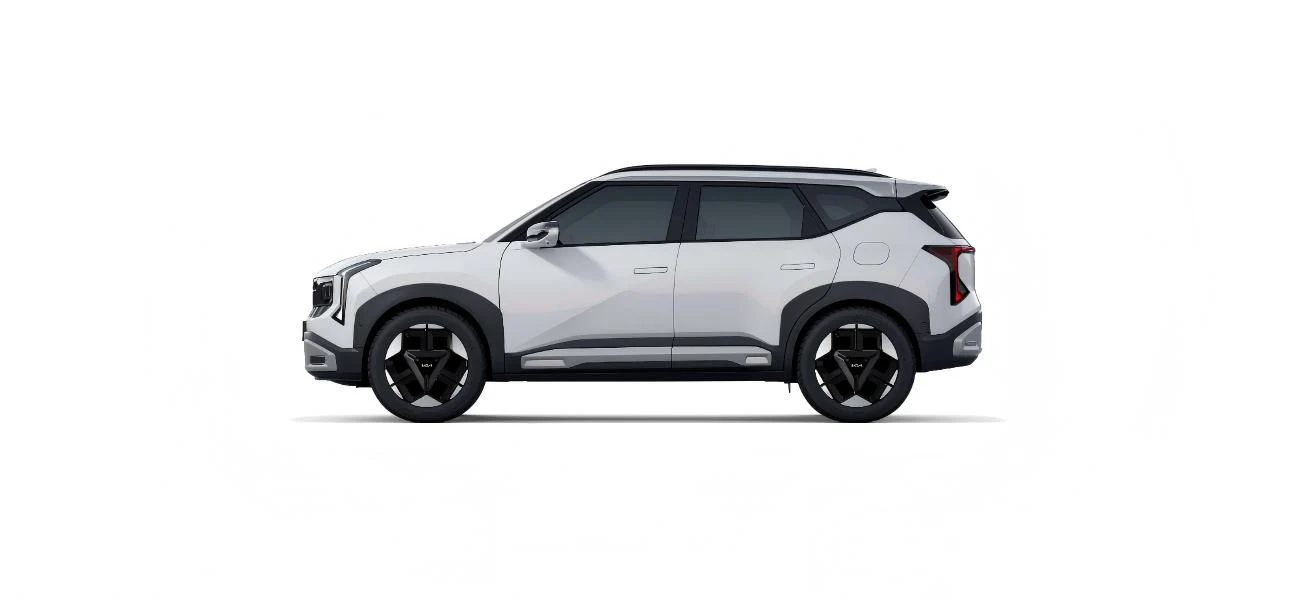
For a dealer, the useful comparison is what customers will notice and use. Passenger access, luggage layout, seating and the arrangement of controls deserve attention beyond a more modern-looking grille. The cabin and cargo guide turns those practical questions into repeatable observations, so the comparison is not determined only by the most attractive promotional image.
For a dated size reference, Kia China’s 2026-model release lists a 2,630 mm wheelbase, while the July 2026 all-new introduction lists 2,690 mm. That 60 mm difference is useful model context, not proof of a particular passenger fit. Check the actual body, seating position and luggage requirement before deciding which candidate suits the customer.
Verify mechanical changes separately
Do not assume that every newer-looking Seltos has the same engine or transmission as another market's all-new model. Obtain the relevant specification for each identified build. Keep fuel type, transmission and any required drivetrain characteristic in separate fields. An empty field should lead to a question, not a guess borrowed from a familiar international brochure.
Read the mechanical comparison guide before treating two offers as equivalents. A published figure describes a specified model; it does not show the present health of a used car. Compare original configuration first, then condition evidence. This prevents a discussion about generations from hiding an inspection question that applies only to one candidate.
The earlier release pairs its turbo engine with a seven-speed DCT; the all-new China introduction pairs its 1.5-litre turbo with an 8AT. See the IVT, DCT and 8AT buying comparison when weighing that change against the customer’s route, support and budget.
Compare equipment at the required-function level
Make a short list of essential functions and review both cars against it. Features such as seat adjustment, parking aids, climate controls and phone integration need individual confirmation. A newer generation may offer an expanded range of functions, but a particular candidate's trim and build determine what is actually installed. Avoid describing the entire range as one fully equipped version.
The equipment guide distinguishes documented installation from demonstrated operation. For each essential function, retain the available evidence and any limitation. This method also makes an earlier vehicle easier to evaluate fairly: it can meet a customer's practical requirement even when its interface or styling differs from the latest design.
Use the age and useful-equipment comparison to decide which generation-and-equipment proposition meets the customer’s mandatory needs.
Put new and used proposals on a fair basis
Generation and condition are separate comparison axes. An earlier candidate could be offered with one registration history while an all-new car has another. Ask for supporting evidence instead of letting the newer design imply unused status. For a used vehicle, service records and present findings remain relevant regardless of how recently that generation was introduced.
The condition review sets out the different questions. Align the inspection and preparation scope before comparing prices. One offer might include agreed work while another leaves it to the buyer. A clear comparison should reveal those differences rather than attribute the whole price gap to generation or equipment alone.
Choose around a real customer requirement
Explain why each candidate is relevant to the intended buyer. If a customer values luggage access and a verified phone function above the newest design, state those priorities. If a dealer's customers specifically want the all-new body, record that as mandatory. The sourcing team can then present a focused alternative or explain why a candidate should not be shortlisted.
Imagine two offers that both satisfy the budget. The earlier car has better-documented history, while the newer proposal has an essential feature still awaiting confirmation. The next step is to resolve the evidence gap, not automatically declare a winner. Preserve the final reasoning with the accepted vehicle record so the receiving team understands the specification and any compromise the dealer agreed.