Set the common acceptance criteria
List the required market or generation, condition, steering position and essential features. State whether different years, colours or specifications may be considered. Keep preferences distinct from mandatory criteria so the supplier can present an exception clearly instead of guessing which differences the buyer will tolerate. An open search should still have a defined basis for acceptance.
The equipment guide helps turn a broad trim request into functions that can be checked. If both new and used cars are welcome, explain whether the dealer wants separate groups or individual comparisons. Do not let a shared model name conceal different condition routes once actual candidates are offered.
For order consistency, the matching and mixed batch comparison states what must match and which differences the receiving dealer accepts.
The business-visit passenger review explains how a shared business-use requirement still needs each candidate’s own passenger and equipment evidence.
Create one row for each candidate
Use a stable vehicle reference across quotations, images, inspection records and messages. Record relevant dates, verified specification and condition in that row. This prevents documents for similar-looking cars from being mixed as the shortlist changes. A group photograph can show context, but it cannot replace the information needed to identify and review each proposed unit.
The year and market guide supplies the basic identity questions. If a supplier uses temporary references before full records are available, maintain a clear connection when the definitive identifier arrives. Do not discard the earlier mapping while decisions are still being discussed. Traceability should become stronger as evidence arrives, not disappear during a document rename.
Repeat the scope, not the conclusion
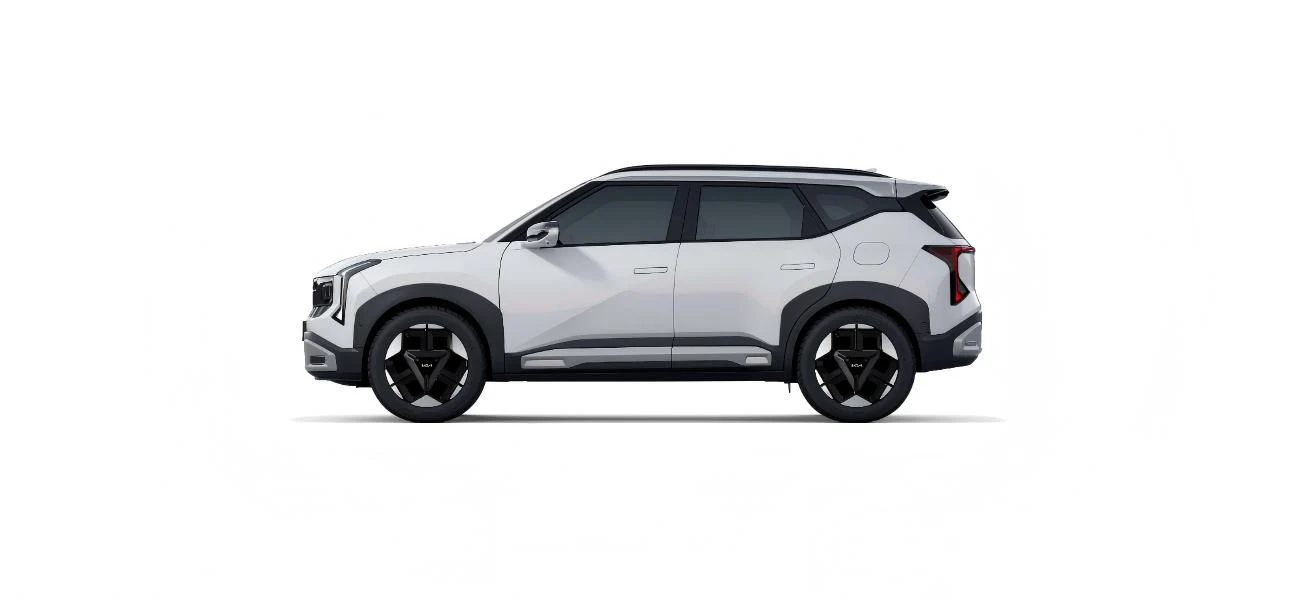
An agreed assessment scope can apply to the whole order, but findings must remain individual. A satisfactory inspection of one used Seltos does not establish the condition of another. New vehicles also need their own delivery and supplied-item checks. Similar advertised specifications do not prove that every unit has the same current condition or accessories.
Use the inspection checklist where appropriate and retain the assessor's limitations for each car. If one unit could not undergo a particular check, show that exception. The buyer can then request more evidence or make a specific decision. A batch-level pass should not be used to erase an unresolved vehicle-level question.
Treat replacements as new proposals
A candidate may become unavailable or fail an essential requirement. When an alternative is presented, compare its differences and obtain the buyer's decision before marking it accepted. It needs its own equipment and condition record. A replacement with a similar colour or year cannot inherit the previous car's inspection report or approval.
Set this substitution process in the initial brief, especially when the order allows a range of versions. Flexibility is helpful when it has boundaries. For example, a dealer might accept several colours but require the same phone function on every unit. An available car without that function is an exception to discuss, not an automatic replacement merely because the quantity must be filled.
Track readiness in separate fields
Selection, preparation completion and handover readiness describe different stages. A vehicle can be accepted subject to work, while a completed task does not mean every other arrangement is ready. Keep those statuses distinct so the buyer and providers can see the remaining actions without relying on a broad label that different people interpret differently.
The handover guide explains supplied items and transfer records. If the order moves in stages, identify the units assigned to each stage and retain their individual evidence. A ready car should not imply that the entire group is ready together. Shared services and per-vehicle responsibilities should also remain distinguishable in the commercial documents.
Reconcile the final order before movement
Check quantities, references, quotation revisions and accepted exceptions against the final list. Make sure every included unit has a recorded decision and that excluded candidates no longer appear as if they remain part of the order. The quotation guide helps keep scope and price aligned while the vehicle list evolves.
Imagine a batch in which one car needs further history evidence and another lacks an essential feature. These require different next steps. The dealer may ask for clarification on the first and replace the second. An individual record preserves those decisions and allows the final handover list to reflect the actual agreement, rather than an earlier shortlist that no longer describes the purchase.