Define the business journey precisely
Ask whether the car will carry staff, clients or occasional visitors, and how many people normally travel. Record journey length, airport luggage and any access needs. A vehicle used by one employee differs from one regularly carrying adults in the rear. Avoid assigning business suitability from appearance or a premium trim without those details.
The adult rear-seat guide helps establish the passenger arrangement with the front position fixed. If the intended service has legal or licensing requirements, ask the responsible destination parties for the applicable answer. A good cabin-fit result is not proof of permission to operate a commercial passenger service. Keep those decisions in separate fields.
Review access and passenger presentation
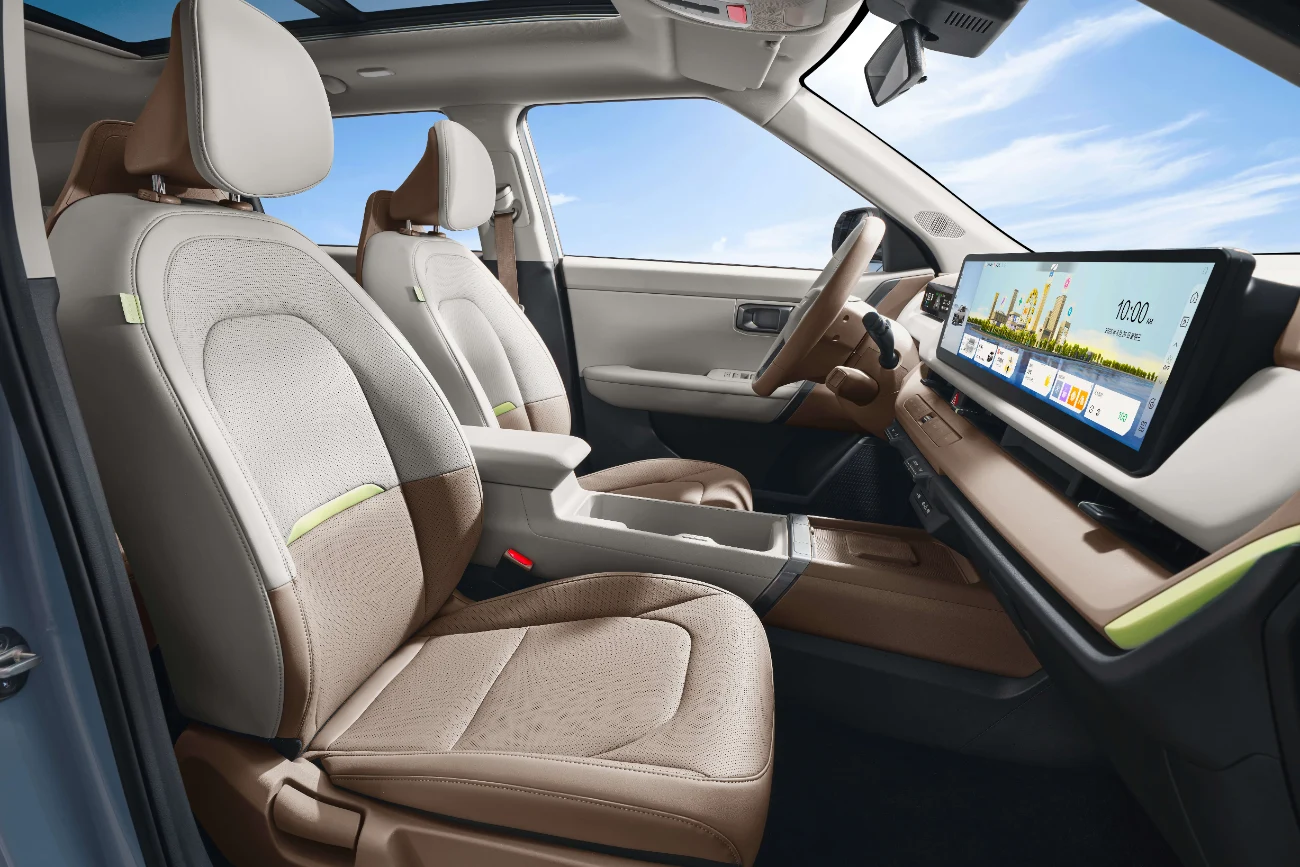
Assess doors, seating positions, cabin condition and the functions visitors will actually use. A tidy photograph can support presentation while leaving entry, climate control and longer-journey comfort unconfirmed. Where a passenger has specific needs, personal assessment may be more useful than a generic easy-access statement.
The seat option review keeps useful adjustment separate from trim prestige. For a used car, identify wear, disclosed repairs and remaining preparation rather than promising a like-new cabin. For new proposals, still verify the installed seating arrangement and delivery condition. The dealer should describe the accepted interior accurately without implying that every passenger will experience the same comfort.
Combine passengers and luggage in one test
Use the stated cases and normal seating arrangement. A car that accommodates adults without bags may fail the actual airport visit requirement. The airport luggage assessment separates seats-up use from capacity obtained by folding a needed passenger place. Keep loading effort and final closure visible in the observation.
If a larger bag arrangement is only occasional, ask whether another vehicle or an explicit operating compromise is acceptable. Do not approve the Seltos using a smaller load than the one that matters to the business. Retain both ordinary and limiting scenarios where the customer requests them. A nominal boot-volume figure is context, not proof of the complete passenger-and-bag routine.
Prioritise daily functions over prestige
Phone use, navigation method, parking aids and climate control should be checked for the actual required operation. A desirable screen shape does not prove the buyer's destination connection or services. The connected-system review keeps local playback and phone demonstration separate from region-dependent online functions.
Compare a higher trim's benefits after preparation and support are considered. A simpler Seltos that meets the routine can be preferable to an unverified premium example. Conversely, a mandatory demonstrated function may justify seeking another candidate. Do not promise lower business running costs, faster resale or executive appeal from the badge alone. Obtain relevant local inputs for the identified vehicle and actual route.
Build a company brief that is easy to apply
Specify the passenger count, required bags, parking constraints and essential functions. State whether the vehicle is new, used or either, with permitted generation differences. A receiving company may want uniform vehicles, while another accepts mixed specifications assigned to different users. The batch consistency guide turns that preference into individual acceptance criteria.
Retain the supported journey assessment and any limitations with each candidate. A substitute should meet the same routine rather than merely the same colour or brand. The final dealer explanation should say why this car fits the requested business use and which questions remain outside the completed scope. This is more defensible than calling every Seltos a guaranteed business or airport solution.
For the company’s accepted passenger-and-load arrangement, retain the cabin and cargo assessment with the planned business journey.
For the corresponding purchase record, review the kia seltos dealer batches alongside these decision-specific findings.
A practical shortlist example
For a company regularly carrying visiting adults and two airport cases, combine the rear-seat and boot requirements in one assessment. A favourable empty-cabin photo does not answer the full routine. If the company only needs one staff member's daily travel, avoid paying for an option premium justified by a passenger scenario that will rarely occur.
Record whether any regulated service is intended and keep the responsible destination answer separate from ordinary fit. Within an accepted company-use brief, each candidate still needs its own condition and equipment evidence. A mixed order may assign different cars to different users, but the assignment should be explicit. This prevents a general business label from hiding unmet access needs or turning vehicle suitability into an unsupported operating-permission claim.
Compare the decision
| Finding or requirement | Useful next decision |
|---|---|
| Regular rear-adult journeys are required | Assess the actual front/rear arrangement and relevant access instead of selecting from external appearance. |
| Visitors bring airport luggage | Test the passenger-and-bag arrangement together, retaining any accepted loading compromise. |
| Regulated passenger service is intended | Obtain responsible destination-party guidance separately from ordinary vehicle-fit and condition checks. |
Buyer questions
Is a Seltos automatically suitable for business transport?
No. Review the actual occupants, journey, luggage and functions; relevant operating permissions need their own confirmation.
Must business buyers choose the highest trim?
No. Value features that meet the brief after their operation, condition and support are established.